
Check the Whale Interpretive Centre’s own visitor page before driving to Telegraph Cove. The Centre says it is closed for the 2026 season and expects to welcome visitors back in May 2027, with construction expected to finish by summer. Confirm the opening for your date and ask about current exhibits if something specific would make the trip worthwhile. The museum is at the end of the Telegraph Cove boardwalk, facing Johnstone Strait. From Campbell River, use Highway 19 and the signed approach to the cove. Give the museum enough time to look at the specimens and interpretation before adding a second timed activity. Whale Interpretive Centre visitor information
Use the current museum information when planning
The Centre reports that it reopened to visitors in August 2026 after the December 2024 fire, then closed at the end of September for the season. It describes continued interior construction over the winter. Older photographs and exhibit descriptions can show a different building or collection from what you’ll find after reopening. Check what the Centre says about the season before buying a ticket for another activity or making a special drive to see a particular display.
Ask what will be available on the day you plan to come. Confirm public opening hours, admission and whether any special event affects a visit. If the Centre is your main reason for going to Telegraph Cove, wait for a confirmed date before fixing accommodation around it. The regional tourism organisation publishes additional information about the cove’s rebuilding and future season. Use that for the wider destination and the Centre itself for the museum opening and exhibits. Telegraph Cove visitor update
- Is the museum open on my date?
Where to check: The Whale Interpretive Centre visitor page or staff - Which exhibits or specimens are available?
Where to check: The Centre’s current information - Can I reach the entrance comfortably?
Where to check: The Centre and the operator of your parking or arrival point - What else will be open nearby?
Where to check: The relevant local venue or operator - How is the road to the cove?
Where to check: DriveBC and current visitor directions
Understand what the visit can add to a wildlife trip
A museum visit gives you time to look closely at marine animals and the ways they are interpreted. On the water, a whale or porpoise may surface briefly and then disappear. A specimen or display can let you compare features at your own pace and ask questions after looking. Use the Centre’s current labels and explanations to understand which species you’re seeing. A visit before a boat outing can help you know what to watch for. A visit afterwards gives you a chance to follow up on something you saw.
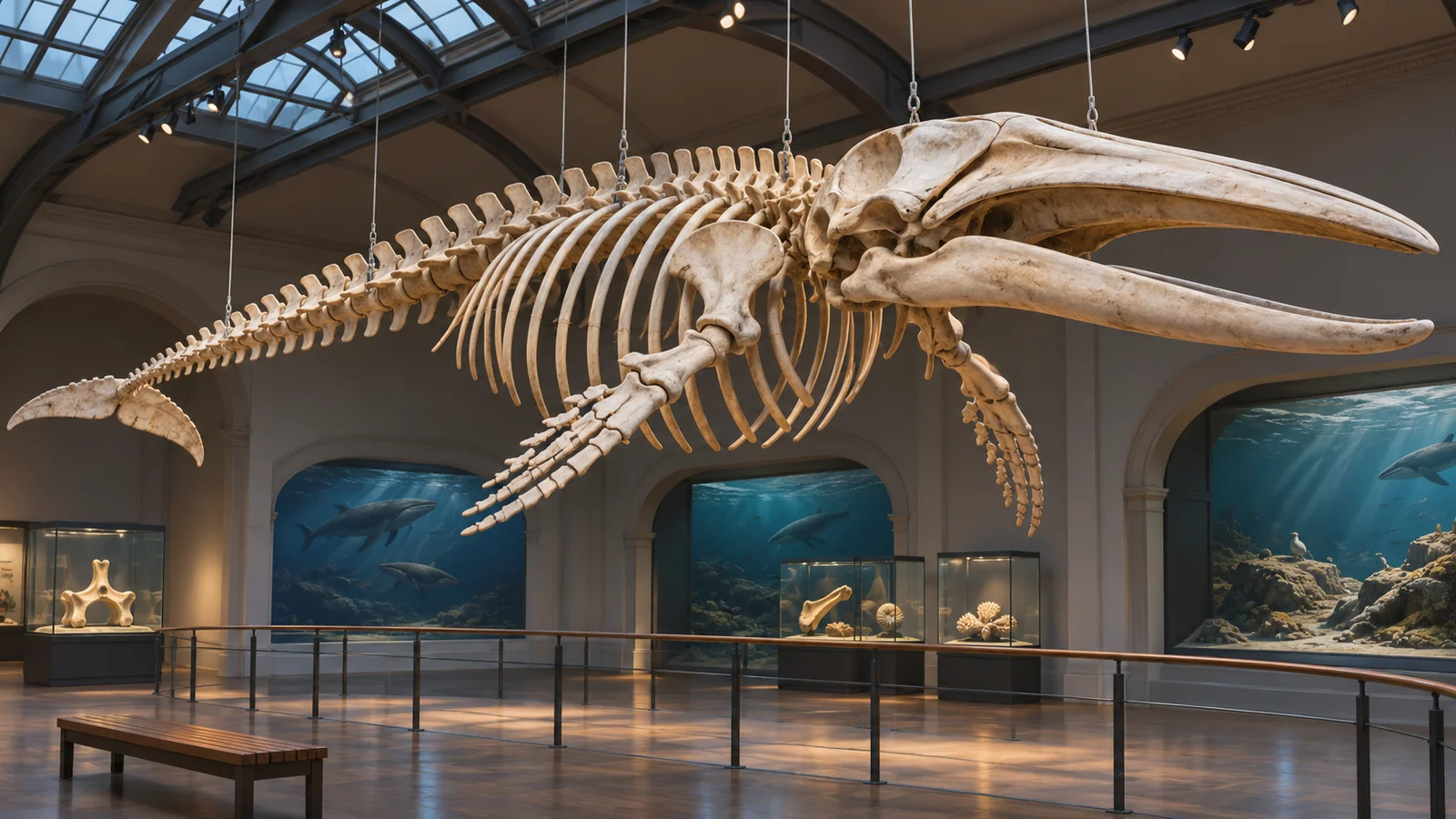
The Centre describes three skeletons that survived because they were off-site at the time of the fire, including a Dall’s porpoise, a Risso’s dolphin and a pygmy sperm whale recorded in British Columbia. It also describes donations and offers of specimens to help rebuild the collection. Check what is actually on display for your date. The surviving and incoming pieces have different stories, and the Centre is the source for which ones visitors can see.
If you’re visiting with a child, choose one question to look for during the visit. Ask how a museum specimen can help someone identify an animal or understand its size. Give the child time to notice something without trying to move through every display. If a person in your group wants more time to read, agree where you’ll meet after looking. That allows each visitor to spend the amount of time that suits them.
Plan the Highway 19 drive and arrival
Telegraph Cove is on northern Vancouver Island, on a signed route off Highway 19. Vancouver Island North describes the approach as paved and puts the cove south of Port McNeill. Start your directions at your actual accommodation or departure point. The time to leave Campbell River, reach the turnoff, park and get to the boardwalk is more than the main highway estimate. Check the route on the day and choose a break if the group needs one. Vancouver Island North Telegraph Cove directions · DriveBC advisories
If you’re coming from Campbell River for the day, decide what time you want to reach the Centre before planning lunch or a stop on the drive. Leave enough room to disembark from a ferry if your trip starts farther away. If you’re staying in Port McNeill or in the cove, use that address and check the available route separately. Choose an early enough visit to let you enjoy the museum without keeping one eye on the drive home.
The Centre describes its entrance at the end of the boardwalk facing Johnstone Strait. Ask about current pedestrian access, parking and the route from your arrival point. If someone uses a mobility aid or wants a predictable surface, check the walk and entrance rather than assuming the boardwalk will be suitable. Give the group time to get from the vehicle to the museum and to return. In poor weather, decide where you’ll wait or change layers before walking back.
Keep exhibits, weather and the rest of the cove in balance
If the museum is open and you want an unhurried visit, give it a clear block of time. Use the boardwalk or harbour view as a separate, flexible part of the day when access and conditions allow. Bring a layer for wind and rain. If it’s uncomfortable outside, shorten the waterfront portion and choose a meal or another confirmed indoor place. Check the hours of the venue you’re counting on before travelling. Seasonal hours may differ between neighbours.
If the museum is closed on your date, decide whether you still want to drive to the cove. Check the current destination information for access, public areas and other activities. If the exhibits are the purpose of the trip, choose a date the Centre confirms. You can use its public information beforehand or plan another wildlife or shore activity that is available. A seasonal closure is easier to work around before you’ve arranged the rest of the day.
For a visit with several generations, plan one shared stop after the museum. It might be a meal, a short waterfront walk or time at the accommodation. Decide how far people will need to walk and whether there is a suitable place to sit. If the cove is busy, leave enough time to move at the group’s pace. A visit works better when someone who wants to read can stay a little longer and someone who is tired has a clear place to wait.
Give a guided marine trip its own departure
If you’re also planning a marine outing, confirm where it leaves from. A tour in Telegraph Cove and a tour in Campbell River are separate trips. Eagle Eye Adventures’ four-hour marine wildlife tour starts at Coast Marina in Campbell River. It can be a useful companion to the museum on a different day. Give the museum time for exhibits and the boat trip time for check-in, travel and viewing. The drive between the two places makes a tightly timed same-day pairing harder to enjoy. Eagle Eye Adventures four-hour marine wildlife tour · Eagle Eye Adventures Campbell River visitor guide
Bring a few observations from one experience to the other. After a boat trip, you may want to look up something the guide described. After the museum, you may recognise a species name or have a question about a feature you saw on a specimen. Use that as a way to learn without expecting to see a particular animal. Marine wildlife moves independently of any trip, and the museum can offer a useful visit regardless of what appears on the water.
Compare a quick stop with a visit that is the main reason for the drive
For a short stop while already on the North Island, check the hours and choose what you most want to see. Leave enough time to reach the entrance and read a few displays rather than trying to cover everything. If the group has a ferry or drive afterwards, set a time to meet outside. A short visit can fit well when the weather and other stops are flexible.
For a trip mainly to see the Centre, plan around the opening and spend enough time for exhibits and questions. Check whether you’d rather stay near Telegraph Cove or make the return drive after lunch. An overnight stay can give you more time to explore without forcing a long day in the car. Check lodging and meal availability for your date, especially near the edges of the operating season.
If the group has two drivers, decide where you’ll stop to switch on the return. If there is one driver, choose a break with enough time to rest after walking or visiting. Check road conditions before leaving the cove. A shorter visit can still work if the group has enough time to see what it came for and leave the rest for a future trip.
Turn the visit into a few questions about the coast
Before going in, spend a moment looking out towards Johnstone Strait if access and weather allow. Consider what you can learn from the view and what you’ll need the museum to explain. You may notice boats moving through the channel or see how quickly the water changes with the light. Inside, look at the exhibits for a different perspective. Ask how a specimen or description helps distinguish species you might otherwise see only briefly.
If you’re visiting after a marine tour, bring along the name of something the guide pointed out. Look for that subject in the exhibits without assuming the museum has a display about it. If it doesn’t, choose another question from what is available. Someone who is new to whale watching might want to learn about how animals are identified. A visitor who has spent time on the coast might be more interested in the collection’s history and the work of rebuilding it.
After the visit, share the name of an exhibit or a question the group wants to follow up on. If you’re posting photographs, check the Centre’s visitor guidance and respect staff instructions. Use its own account for facts about the collection and rebuilding.
Does a museum visit guarantee that a particular skeleton is on display?
Use the Centre’s current information or ask staff. Its collection has changed during rebuilding, and what is available on a given date can change. If the trip depends on one exhibit, confirm before you travel. Otherwise, choose an interest and allow the current displays to guide the visit.
Is the museum a useful stop before whale watching?
Yes, if its hours and your tour schedule leave enough time. It can help you learn about the animals and coastal setting before boarding. If the marine outing is in Campbell River, allow for the separate drive and check-in or use different days. If you’re already travelling north after a boat trip, the museum can be a good place to follow up on what you saw.
What should I check before setting off?
Confirm the opening date, public hours, route, parking and access to the entrance. Check the drive and choose a return time. If someone needs specific facilities or support, ask about the route and visit ahead of time. Save the Centre’s contact and the other places you might visit, and recheck the plan if road or weather conditions change. For an overnight stay, confirm which part of the day you’ll spend at the Centre and which meals or stops can move.