
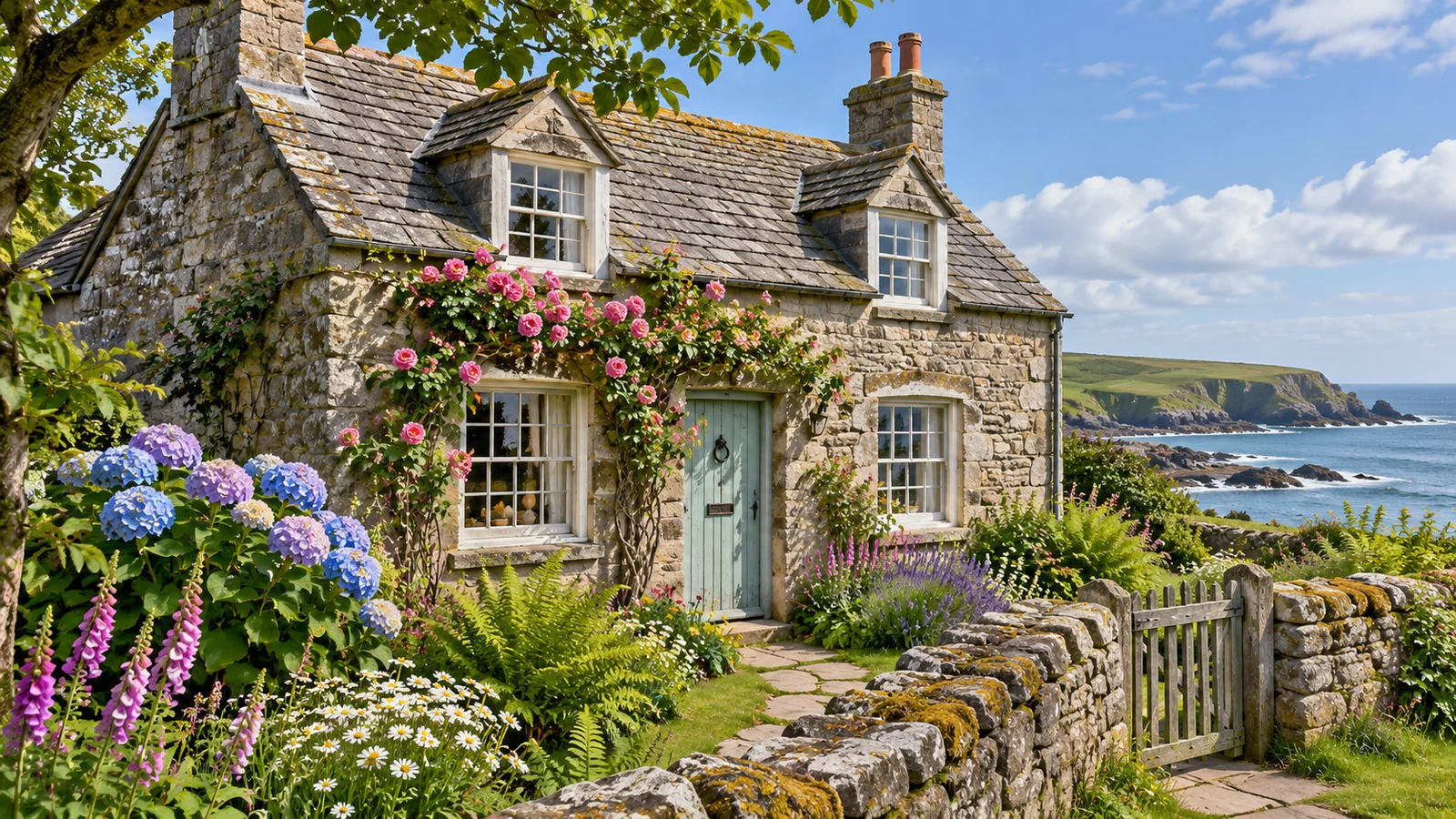
Sybil Andrews Cottage is at 2131 South Island Highway in Willow Point, Campbell River. The designated heritage property includes the cottage, Walter Morgan’s studio and the surrounding grounds. Contact the Campbell River Arts Council before planning to go inside. Use the visit to learn where the printmaker lived and taught, then look at her work through the museum resources or take a short walk along the waterfront. City of Campbell River heritage designation · Cottage heritage assessment
Confirm what you can visit
Use the South Island Highway address and check current public access with the Arts Council. The council operates from the cottage and publishes office contact information. The city directory lists the council’s phone number, email and address. Ask about the difference between an office visit and attending a scheduled event. Ask whether you can see the cottage interior or the Walter Morgan Studio, whether there’s a program on the day you’re visiting and where visitors should enter. If your group needs a particular approach, step-free access or a washroom, check those details directly. Campbell River Arts Council contact
The city lists the cottage and studio as part of the same historic place. Look at the property from public areas if indoor access is unavailable and follow signs about where visitors may go. The neighbouring Willow Point Community Hall is a distinct heritage property. It has its own use and access arrangements. A group meeting in Willow Point can choose a specific park or public landmark for the start of the walk and go to the cottage when access is confirmed.
If you’re coming for a class or other program, check the organiser’s details before leaving. The city’s heritage assessment describes the cottage as a place used by local arts and music groups. A scheduled program may give you a different way to see the property than a visit to look at the architecture or learn about Andrews. Check the time, registration and what you’ll need to bring.
Learn what Sybil Andrews made
Andrews was born in Bury St Edmunds, England, in 1898. She attended Claude Flight’s linocutting classes at the Grosvenor School of Modern Art in London and became known for bold prints that use line, colour and shape to express motion. The Museum at Campbell River and Glenbow both describe linocut as central to her career. Look at a published image before your visit so you have something specific to connect with the house and studio. Museum at Campbell River Sybil Andrews series · Glenbow Sybil Andrews exhibition
Linocut is a form of relief printmaking. In a print, look for shapes that meet along a strong edge and the way a repeated line moves your eye across the image. Glenbow describes Andrews’ use of bold colour and line and discusses how she portrayed motion. Start by seeing what you notice in one work before reading an interpretation. If you’re visiting with children, ask them to trace a direction through the image with their eyes or name the shape that seems to move. Glenbow Sybil Andrews exhibition preview
The city’s heritage assessment and Glenbow place Andrews and Morgan’s move to Canada in 1947. They settled in Willow Point, where Andrews continued to make art and taught from the cottage. The Museum at Campbell River’s series connects her Canadian work with local labour, landscape and culture. Use the series to see which subjects interest you, then look at the waterfront and neighbourhood where she lived. Glenbow artist research collections
Look at the cottage and Walter Morgan’s studio together
The Museum at Campbell River describes Andrews’ home as a community gathering place where she hosted music and art classes and screened films. Think about what it would have been like to enter a small home to learn a new technique or share a work in progress. If you have arranged an interior visit, notice how rooms and furniture would affect the way a group could work together. Ask which features relate to the time Andrews and Morgan lived there and which were added later. Museum at Campbell River Willow Point Trivia Trek
The City of Campbell River includes Walter Morgan’s studio in the heritage designation. The city records cottage restoration in 2011 and later work with the Campbell River Rotary Club on the studio’s foundation. The heritage assessment describes the studio as Morgan’s workshop and identifies its board-and-batten siding and veranda. Look at the buildings from a permitted area and compare the way they sit on the property. The smaller building gives visitors another feature to ask about when looking at how the property was used. City of Campbell River cottage restoration summary · City studio restoration
For a visit focused on local history, give the neighbouring community hall and the public waterfront their own time. The museum’s Willow Point walk relates the cottage to other parts of the neighbourhood. Follow its route where it uses public access and check the city map for present-day directions. A short look at the surroundings can help you understand why the cottage appears in the city’s heritage program alongside the hall and other sites. City of Campbell River maps
Find the work and the people connected to it
Ask the Museum at Campbell River about its current exhibitions if you want to see an original print in person. Holding a work in a collection and displaying it are separate arrangements. The museum has shared resources about her career and students, and its annual report records objects associated with Andrews and Morgan in the collection. It also documented its past Sybil’s Students: A Local Legacy exhibition, which featured work by people who learned from her, including Richard Calver. That history offers a way to follow her influence through other artists. Museum at Campbell River current exhibits · Sybil’s Students exhibition archive
Glenbow’s exhibition and collection material offers another way to see her work, including examples made in England and Canada. Its accounts discuss how she used line and colour and identify material from her studio and papers. If you’ll have only a short time at the cottage, choose a work or a study to look at before you go. Then note how seeing the house changes what you want to know about the process or the artist.
Add a Willow Point waterfront stop
Frank James Park on South Island Highway has beach access, benches and paths. Use the city map to plan a public approach and check which part of the Rotary Seawalk you want to use. A short walk gives you time to see the water and the shore before or after the heritage stop. With children, try looking for lines and shapes in the scene that could be part of a print. Give everyone time to choose something before you continue. City of Campbell River Frank James Park · City of Campbell River parks map
If your trip also includes a boat tour, Eagle Eye Adventures offers a four-hour marine wildlife outing from Campbell River. Coast Marina is a separate location downtown. Confirm the tour arrival instructions and allow time to get from Willow Point to the marina. An arranged program at the cottage can have its own start and finish, so check both schedules before combining the visits. Eagle Eye Adventures four-hour marine wildlife tour · Eagle Eye Adventures location
Is the cottage a museum with regular walk-in hours?
The Campbell River Arts Council uses the cottage as its home base. Ask the council what visitor access is available on your date, including whether you can go inside the cottage or studio. For a museum exhibition or archival resource, check the Museum at Campbell River separately. Museum at Campbell River hours and location
How do I make a short visit worthwhile?
Read one account of Andrews’ life or choose a published image first. Confirm which parts of the property you can visit and take a brief walk nearby if the weather suits. With more time, use the museum’s resources about her students or the Arts Council’s current programming to choose a follow-up.
Choose two works to look at before the visit
If you’re new to Andrews, compare a print from her British years with one made after she came to Canada. Glenbow’s artist research material reproduces The Mowers, a 1937 linocut. Look at the angles of the figures, the tools and the way repeated shapes can suggest work in progress. Glenbow also publishes a study resource for Wings, a 1979 linocut in four colours. Look at what creates a sense of motion in that print, then see which part of your first observation still applies. You can use both resources without having to assume that the prints will be on display in Campbell River. Glenbow learning resource for Wings
For a different comparison, read Glenbow’s interview with curator Hana Leaper. She discusses how Andrews’ experience of manual work informed her response to rhythm, pace and tools. Look for a place in an image where you can imagine a repeated movement. See how the artist uses a curve, a diagonal or a block of colour to give it force. Keep a note of the work if you want to return to it after seeing the cottage. An observation like that can give the visit a focus even if access to the interior is limited. Glenbow interview with curator Hana Leaper
If you’re travelling with someone who knows printmaking, ask what they notice about the way colours and shapes fit together. A visitor new to it can start with an outline and say where their eye goes first. If the group includes children, let them choose a detail to sketch or describe afterwards. Do the activity in a suitable public spot and leave the artwork and property as you found them. The idea is to remember how Andrews used shape and movement when you see the place where she worked.
Build a Willow Point visit around confirmed access
For a short visit, contact the Arts Council, choose the time you’ll go and check where you can park or arrive by transit. If the cottage is open to visitors by arrangement, give the building enough time. Ask which parts of the property you’ll be able to see and whether anyone will be available to answer questions. If there is no interior visit, choose a public viewpoint and a section of the waterfront route. Use the museum or Glenbow resources to learn about the artist before or after you go.
With more time, add one other local stop. The city lists the historic hall next door, and the Museum at Campbell River describes other Willow Point sites in its neighbourhood walk. Ask about current hours if you’re going into a building and choose a path that fits your group. If you’re travelling with people who would rather spend time on the coast, agree where to meet after a short separate walk. The cottage and nearby public shore can work together even when each person spends a different amount of time at the buildings.
For a later visit, check whether a workshop or exhibition gives you a new way to spend time with the material. Confirm the venue as well as the date. A program at the cottage, a downtown gallery exhibition and an archival display at the museum can each require a different trip.
Follow the teaching story after you leave
The museum’s exhibition about Andrews’ students gives you a way to explore what happened in the cottage beyond the work of one artist. Choose one student named in the exhibition account and see which work or medium the museum identifies. Compare that with what you noticed in Andrews’ prints. The point is to see which habits or subjects the artists shared and where their work goes in a different direction. If you’re planning an art-focused trip, ask the museum or gallery which related material can currently be seen. Keep the visit to the cottage for the place itself and use the exhibition resources to follow the work and learn where it travelled next.