
Campbell River’s Tyee Pool is an area of water off Tyee Spit associated with a long-running tradition of fishing for large Chinook salmon from rowboats. The Tyee Club of British Columbia uses its own rules to decide which catches qualify for club recognition. Federal fishing regulations determine when and where recreational fishing and retention are permitted, and vessel restrictions apply in defined waters. Those rules have different purposes. If you want to understand the tradition, start with the rowboat, the returning salmon and the geography of the spit. If you intend to fish, check the current federal rules for your exact date and location before arranging an outing.
Put the pool and the spit on a map
Tyee Spit projects into the waters beside the Campbell River estuary and Discovery Passage. Dick Murphy Park is on the spit, with a shoreline setting that gives visitors a place to look toward the passage and the river mouth. From land, the pool can appear to be part of the open water alongside the spit. For vessel rules, the pool is a specifically bounded area off the spit. A view from shore gives you a good sense of the setting, while the relevant federal documents give the exact boundary. City of Campbell River’s Dick Murphy Park page · Transport Canada’s vessel restriction schedules
The club also defines where a catch can qualify for its records. Its published rules describe a stretch of Discovery Passage between Seymour Narrows and a line from Cape Mudge to Big Rock on Vancouver Island. The same document also refers to the Tyee Pool in specific rules. Keep those geographic descriptions attached to their purposes. A name used for a fishing tradition, a boundary used in club records and a regulated vessel zone can refer to different extents. Tyee Club official rules
On the spit, use the places open to the public and keep paths and launches clear. If you see a rowboat, you may be able to follow its course for a while from a fixed position. Avoid making assumptions about whether it is inside a regulated area based on the view alone. A chart or official boundary description is the better reference for a decision about vessel operation.
What a Tyee is in the club’s records
The Tyee Club uses a threshold of at least 30 pounds for a Chinook salmon to qualify under its rules. The weight is only one condition. The rules also address how and where an animal is caught, how it is registered and which forms of recognition apply. A visitor may hear someone call a large Chinook a Tyee in conversation. A club record has a more specific meaning because the catch must meet the organisation’s requirements.
The club’s rulebook describes how it deals with released fish and distinguishes them from fish eligible for club trophies. Read the current version before relying on a detail from an older story or an account of a famous catch. The possibility of club recognition does not change federal retention limits, openings or catch-record requirements. Start with the public fishery rules and read club eligibility after you know the fishing you are considering is permitted. DFO Area 13 fishing regulations
These distinctions help if you are looking at historical photographs. A person standing beside a large salmon and a scale may have been part of a club weigh-in or may simply have been photographed with a catch. The date, location and caption are worth reading before treating the image as evidence of a record. The museum’s photo collection includes images of fishing guides, guests, boats and catches that preserve different parts of the tradition. Museum at Campbell River’s Tyee photographs
Why the rowboat matters
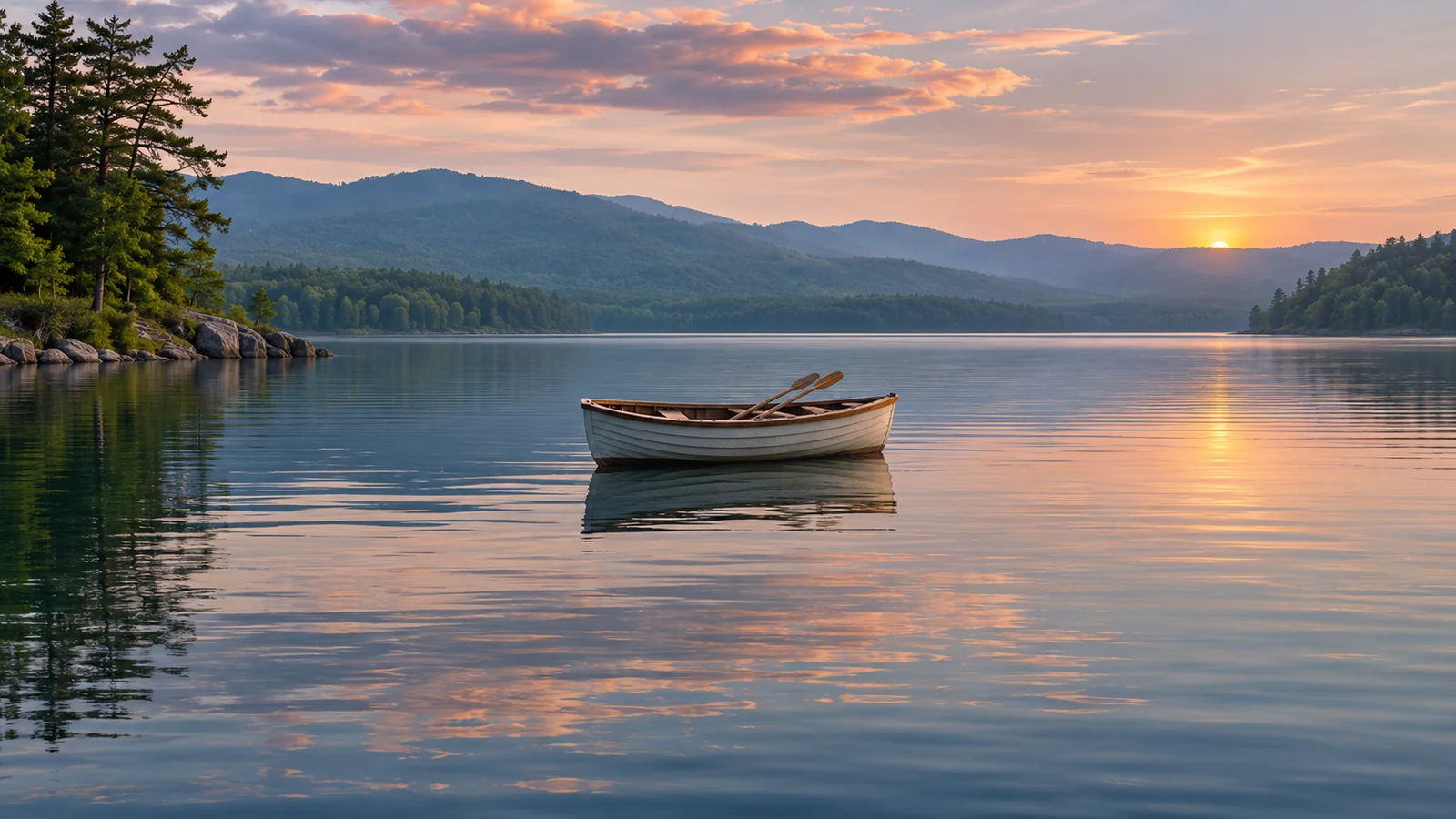
The Tyee Club describes fishing from a boat being rowed or paddled as a requirement for a qualifying fish. In the traditional outing, the rower handles the boat while the angler attends to the rod and line. The club’s account describes rowers working with currents and eddies. A person watching from shore may see a boat move slowly through the same general area several times, with the rower adjusting its position as the water moves. Tyee Club’s account of the tradition
Local boatbuilding is part of the history. The Museum at Campbell River records that E. P. “Ned” Painter established a business on Tyee Spit in 1924 and built wooden clinker-built rowboats used by fishing guides. The term describes boats built with overlapping planks. Look for the hull shape in the museum’s photographs and compare it with the equipment shown around the boats. The pictures can give you a clearer sense of how the fishing worked than a description of the fish alone. Museum archive entry for E. P. Painter
The museum also displays Tyee rowboats, boatbuilding tools and tackle in its permanent sportsfishing exhibit. This is an especially useful stop if you want to understand the fishery before looking at the water from shore. Objects help explain what each person did in the boat and how local builders and guides contributed to the activity. Check current museum hours when making your plans. Museum at Campbell River’s permanent exhibits
Three sets of rules to check before fishing
First, check Fisheries and Oceans Canada’s recreational fishing regulations. Use the Area 13 page and its subarea maps and descriptions to identify the waters. Confirm the date, species and fishery, including whether fishing is open, what may be retained and which gear conditions apply. Check your British Columbia Tidal Waters Sport Fishing Licence and any stamp or catch-record obligations. A club season or a booking with a rower cannot establish that a particular fishery is open. DFO recreational licensing guidance
Second, check Transport Canada’s vessel restriction documents for the Tyee Pool. Use the current schedule and map or coordinates to determine which waters are covered and read the associated restriction. The fact that a boat can travel in part of Discovery Passage does not establish what it may do within the specified pool. If you are unsure, clarify the boundary and permitted operation before launching.
Third, read the Tyee Club’s own rules if recognition is part of your goal. Its published season runs from July 15 to September 15, subject to changes under federal regulations. The club specifies how a fish must be caught and registered. Conditions can differ by date, so check both the club and the federal sources before finalising your trip. A visitor interested only in watching the waterfront can skip the licence and eligibility questions and plan around public access.
Plan a visit if you want to watch from shore
Start at Dick Murphy Park and allow time to walk along the public shoreline route. Watch the water on both sides where you have a clear view. The estuary and the passage can show different surface conditions at the same time. If rowboats are present, look at how their paths relate to the visible current and how much room they give one another. An observer can learn how the setting shapes the outing without seeing a fish landed.
If you bring binoculars, use them from a place clear of the path. Look for the broad movements first. Small details in the boat may be difficult to see across the water, and the anglers may be engaged in an ordinary period of waiting. Keep the visit flexible enough to enjoy the shoreline if there are no boats. To add history, pair the walk with the museum’s sportsfishing exhibit or look through its archival images before going.
A tide table gives predicted water levels at its station. If you are watching how the boats move, remember that the local direction and speed of current are different questions. Conditions can change over an outing and can differ across the channel. Watch where water moves against the shore or around the spit and describe what you can see. A shore visit gives you the freedom to stop and leave when conditions are comfortable. Canadian Hydrographic Service Campbell River tide predictions
Fit it into a Campbell River day
A visit to Tyee Spit can fit before or after time downtown. Give yourself time to walk from your starting point and decide whether the museum or the shoreline is the priority if the weather changes. If you also plan to take a marine wildlife tour, make the departure and check-in time the fixed part of the day. Confirm the tour meeting point separately from the spit and allow time to get there. Eagle Eye’s guide to things to do in Campbell River · Eagle Eye’s Campbell River marine wildlife tour
The shore visit and the boat trip give you different perspectives on the same broad marine setting. From land, you can see how the estuary meets the passage and understand where the rowboat tradition took shape. On a wildlife outing, ask how the crew reads the water, follows applicable viewing guidance and uses local conditions to plan the day. Pick each activity for what you want to learn. Fishing requires its own planning, equipment and regulatory checks.
Make sense of a historical catch record
Start by looking for the date, weight and name or record number associated with a catch. Those details tell you what the archive preserved. If the image is part of a club collection, check whether the caption identifies an award or a weigh-in. A photo can establish that people documented a large fish on a particular occasion. It leaves more questions about how often fish that size were caught and how much time people spent trying for them. A record of an unusually large fish deserves to be read as one event in the fishery.
If you compare a recent club account with a museum photograph, note the difference in the rules and conditions. Fishing regulations, equipment and what is recorded can change over time. An old catch and a modern club entry can illustrate the continuity of a practice without supporting a direct comparison of how easy it was to catch a fish. The most useful context for an angler comes from the current rulebook and the federal notices. The archive offers a separate view of the people, equipment and shoreline that shaped the tradition.
When you visit the museum, look for the distance between the seats in a rowboat and the room available for oars and fishing equipment. Then look at the width of the water beside Tyee Spit. Seeing the boat and the setting on the same day can help you understand why the rower and angler have distinct tasks. You can also ask which pieces in the exhibit were used locally and which are included to explain the broader history of sportfishing. The staff or captions may give more context about a particular object and the people who originally used it locally.
Frequently asked questions
Is a Tyee a different species of salmon?
In the club’s rules, a qualifying Tyee is a Chinook salmon that weighs at least 30 pounds and meets the club’s other conditions. The term describes the fish in the context of the fishing tradition and club records.
Can I fish whenever the Tyee Club’s season is running?
Check the federal opening and rules for your location, date and target species. The club’s season is subject to federal regulations. Follow the applicable licence conditions and vessel rules as well.
Where can I learn about the boats?
The Museum at Campbell River’s sportsfishing exhibit includes rowboats and boatbuilding tools, and the museum archive has photographs associated with the Painter family and Tyee Spit.
Can I visit the spit without fishing?
Yes. Dick Murphy Park offers a public place to see the estuary and passage. Follow posted signs, leave working areas clear and plan the stop around the conditions and the time you have.