
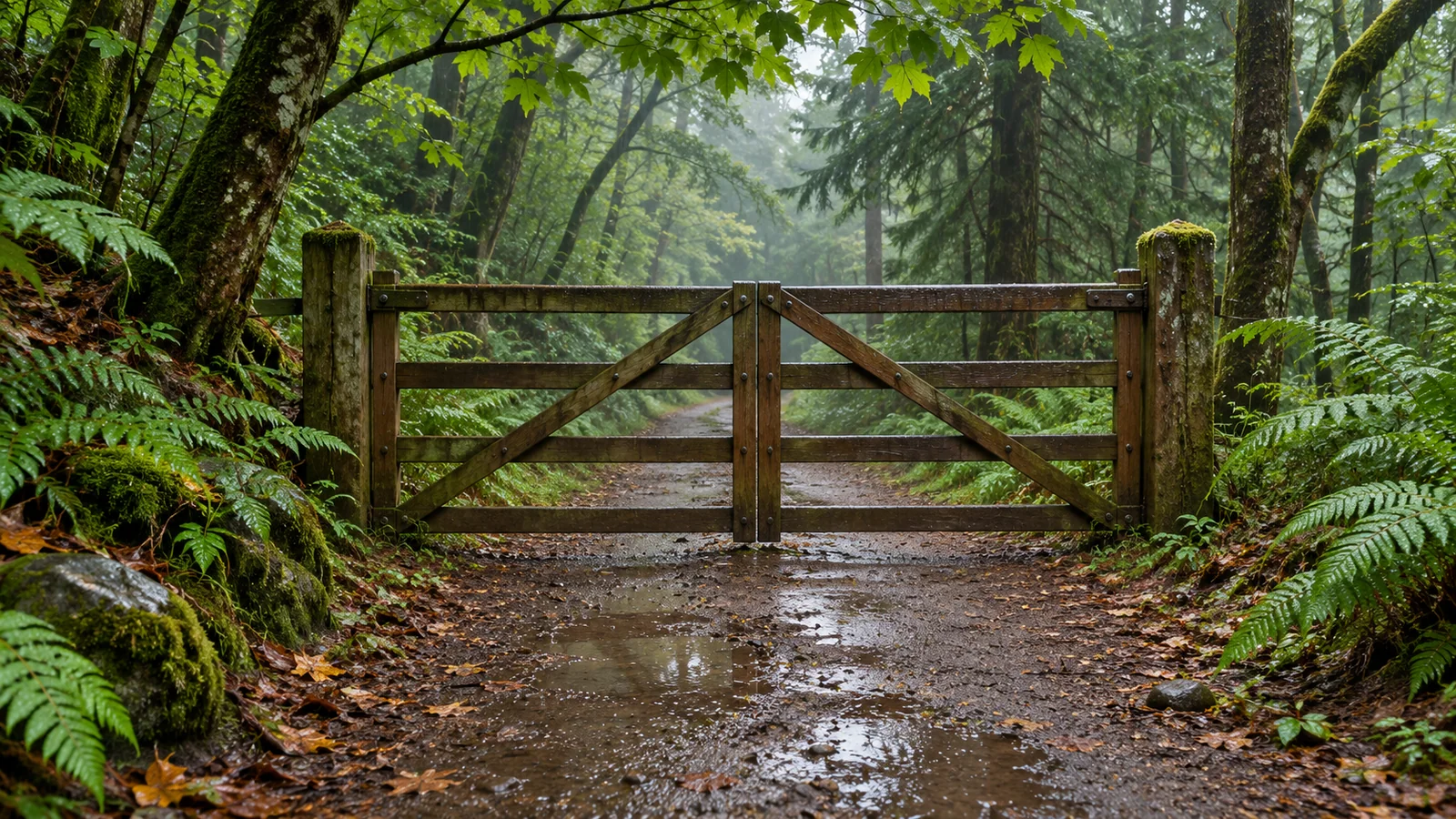
Check the road, the site and any scheduled departure separately. DriveBC reports provincial highway conditions and delays. BC Parks and Recreation Sites and Trails BC publish advisories for the areas they manage. The City of Campbell River posts local access and traffic notices. If your trip includes a ferry or wildlife tour, check the operator’s status as well. Read each notice for the specific road, route, entrance or date it covers, and choose another verified stop if the first one is closed. Save the key details before you leave town, then recheck when conditions are changing.
Identify the part of the trip that can change
Start with the name of your destination and the actual place you’ll enter. A park name may cover several trailheads, campgrounds and day-use areas. A street name may refer to a long route with work on only one section. Write down your approach, the place you intend to park or get out, and the activity you want to do. Search for official notices using those details. If a notice names a different entrance, check whether it still affects your route or a facility you need.
- Provincial highway
Source to check: DriveBC
What to look for: Location, direction, delay or closure - Provincial park
Source to check: BC Parks
What to look for: Specific park, entrance, trail or campground - Recreation site or trail
Source to check: Recreation Sites and Trails BC
What to look for: Site, access road and dates - City street or waterfront
Source to check: City of Campbell River
What to look for: Project, affected section and pedestrian access - Ferry crossing
Source to check: BC Ferries
What to look for: Correct route, direction and current service - Wildlife departure
Source to check: Tour operator
What to look for: Check-in, vessel and any message about the departure
If you’re following an itinerary someone else wrote, confirm who manages each stop. A provincial park and a nearby recreation site can have separate sources. A ferry trip and the highway beyond it can change independently. Checking one part of the trip gives you useful information. Checking all the necessary links tells you whether the outing you have in mind is possible.
Check the road before the destination
Use DriveBC for provincial highway advisories and delays. Compare the event location with the route you’ll actually drive. Highway 19, Highway 19A and Highway 28 serve different approaches in the Campbell River area. If a notice describes a single direction or a road segment, check whether that affects the outward drive, the return or both. Look at when the notice starts, when it was updated and whether it gives an expected end. DriveBC advisories · B.C. numbered routes
For city streets, check the City of Campbell River’s traffic updates. A notice may cover part of a road, a turn or a nearby walking route. Use the city map to locate the project and read the details about access. If you’ll be dropped off or using transit, check the last part of the trip separately. A driver may have a way around a closure while a pedestrian needs a different crossing or route. City traffic updates · City maps
If an official notice says a route is closed, follow it and use the posted detour where provided. Avoid choosing an unfamiliar resource road simply because a map app shows a connection. Check whether the alternative is open to public travel and suits your vehicle and conditions. If you can’t confirm it, change your destination or wait for a reliable update. A closer stop can still give you time outdoors without requiring another uncertain drive.
Read park and trail notices at the right level
BC Parks has an active advisories page and individual park pages. Use both when a trip depends on a particular trail or access point. The advisory may mention one section or service, while the park page provides the regular map and visitor information. Check which part is affected and whether a different entrance or route is open. Follow signs and staff directions when you arrive. BC Parks active advisories
At Elk Falls, check the place you intend to visit. The day-use access and Quinsam Campground have separate directions. If your main plan is a particular viewpoint or trail, look at the route and current notices. At Strathcona Park, check which side you’ll use. Buttle Lake and Paradise Meadows use different road approaches. A notice for one location doesn’t establish what you’ll find at the other. Elk Falls Provincial Park · Strathcona Park
For a recreation site or trail managed by Recreation Sites and Trails BC, use that agency’s alerts and planning information. Check any access road as well as the destination. A listed recreation site can be open while the route or conditions make it unsuitable for your vehicle. Conversely, an access road that looks clear doesn’t establish whether a trail, bridge or facility is open. Check each part that affects your visit. Recreation Sites and Trails BC alerts
Check municipal waterfront access separately
If you’ll visit the waterfront in Campbell River, check city notices for the specific place. Maintenance can affect one section of a pier or walkway for a limited period. Read whether the notice describes a full closure, partial access or a change to the route. Confirm whether the facilities you need can still be reached. If the announcement gives a planned reopening, recheck near that date before relying on it. City news and updates · City parks directory
Use the city’s parks map to find a second waterfront option. Pick an alternative you can reach on the same trip without relying on the closed area. If a visitor needs a firm route, a place to sit or an accessible washroom, confirm those details for the new stop. A closure can change how much walking the outing requires. It may be simpler to shorten the visit or use an indoor venue if you can confirm that it meets the group’s needs. Campbell River parks map
Check ferries and scheduled departures with their operators
If the trip involves a ferry, use BC Ferries’ current conditions for the exact route and direction. A published timetable is useful for planning, and the status report tells you what the operator is reporting at the time you check. Confirm which terminal you need and when to arrive. If a delay affects an onward sailing, tour or room, recalculate the connection before adding a stop. BC Ferries current conditions
If you’ve booked Eagle Eye Adventures’ four-hour marine wildlife tour, use your booking confirmation for check-in and watch for messages about the departure. Contact the operator if a road or ferry delay puts you at risk of missing it. The operator handles tour decisions, including any change related to marine conditions. If you’re offered a different departure, compare it with the time you’ll need to be back for your next connection before deciding. Eagle Eye Adventures four-hour marine wildlife tour · Contact Eagle Eye Adventures
When a boat outing and a park visit are planned for the same day, give the boat’s check-in time priority if it’s the fixed booking. If the park route changes, choose an alternative whose access you can confirm and return from in time. If the operator changes the tour, check whether the park still fits before moving either activity. Keep one public stop that doesn’t require a reservation or a long drive. That gives you a simple alternative while you find out what will happen next.
Save the information and know when to recheck
Save the route, destination map and main contact before leaving. Keep the dates or timestamps with the information if you take screenshots. A saved notice can help when you lose service, but it can go out of date. Check again before a remote drive and at the last suitable stop if the situation is changing. Use official notices, signs and directions from staff at the site. For major emergencies, check EmergencyInfoBC and follow local instructions. EmergencyInfoBC resources for residents and visitors
Agree on who will check each part of the route if you’re travelling with others. Ask a passenger to check updates while someone else drives, or pull over safely before looking. Tell the group which activity you’ll drop if you lose time. Share the name and address of the backup so everyone can find it independently if you’re in separate vehicles.
Try the checks on three common trips
For an Elk Falls day, open the park page and choose the specific day-use route. Read the advisory list and use the park map to make sure the route you want is the one you’ve checked. Then look at the drive from your accommodation to the entrance. If you also want to visit the hatchery, check its hours and access independently. A change at one stop might leave the other available. Decide which route you can shorten and which extra stop you’d leave for another day. Quinsam River Hatchery visitor information
For a Buttle Lake outing, first verify access along Highway 28 and the road to your particular trailhead. Read the park’s notice for the trail and any facility your group needs. Recheck conditions before driving farther from town. If your plan depends on more than one trail or campground, write down which part is essential. A different trail on the same side of the park can work when the approach and conditions are confirmed. If you’ve already booked a marine tour on another day, keep that booking separate from the choice of trail.
For a shore walk and a ferry, check current conditions first and make the walk flexible. Choose an access point you can reach without affecting ferry check-in. If city work limits part of the route, use a short walk near the terminal or plan the shore visit for after returning. If the crossing changes, decide whether you still have time to leave the terminal area. Follow staff directions if you’re already in line.
Read the difference between a closure and an advisory
A closure may say access is prohibited for an area or period. An advisory may describe a condition, an interruption to a service or a risk that changes whether the visit suits your group. Read the whole notice and check for posted instructions. If a facility you need is unavailable, an open trail may still be the wrong choice. If the notice refers to only one section, confirm that your alternative stays outside the affected area.
When two updates seem to disagree, check which agency manages the site and which report is newer. A road can reopen while a trail remains closed, or a venue can resume operation while work continues nearby. Ask the manager about the exact approach if the difference matters to your trip.
What if a map says the site is open but there’s an official closure?
Use the official closure and the signs at the site. A general listing or map may describe usual hours without showing temporary access changes. If the notice is unclear, contact the agency or operator responsible. Choose a verified alternative if you can’t confirm the route you need.
When should I check the plan again?
Check before leaving your accommodation, before committing to a long or remote approach and when you receive a message about the trip. If you’re catching a ferry or wildlife departure, check the operator’s information before driving to the terminal or marina. A short gap for a second check can save a much longer drive to an access point you can’t use.
What should my backup look like?
Choose a specific place with a known approach, a suitable return time and the facilities the group needs. A short waterfront visit, an indoor stop or a closer trail can work when a farther destination is closed. Put the address and opening information in the same note as your main plan. If you need the backup, you’ll already know how to get there and whether it fits. Eagle Eye Adventures Campbell River activities